I’m Sreevas. I design clear, reliable digital products for large organisations.
I am a Product Designer with over fifteen years of experience in business-critical applications. I design clear, accessible products for large enterprises and public-sector organisations, leading the work from research and strategy through prototyping and design systems to delivery with engineering.

15+ years across
- Banking & Finance
- Oil & Gas
- Government & Public Sector
- Airlines & Aviation
- Real Estate
- Power & Utilities
- Pharmaceuticals
Featured UX case studies
Six enterprise projects, each presented with the problem, the design approach and the measured outcome.
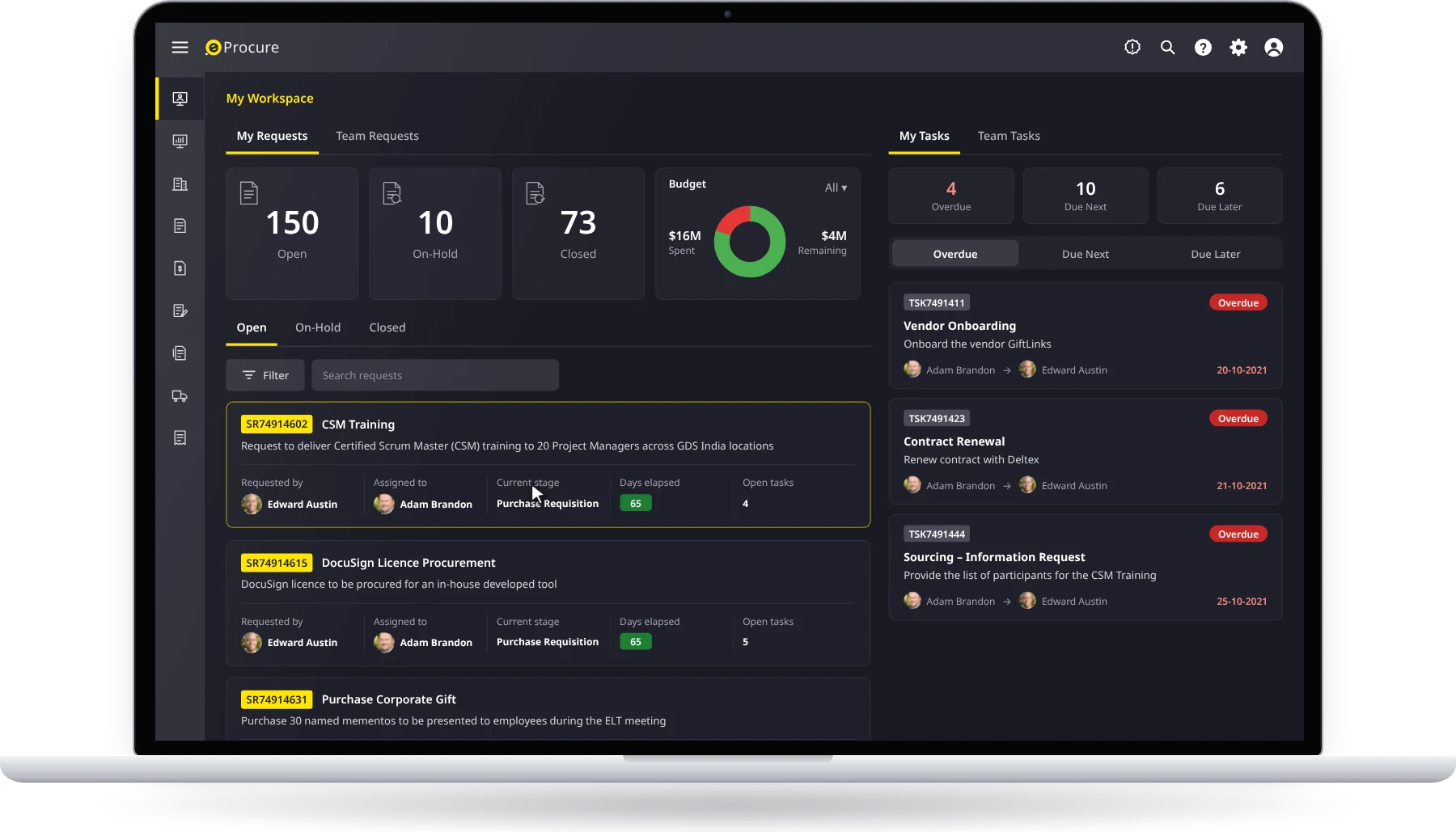
Enterprise procurement platform
A digital procurement solution that simplifies supplier sourcing, evaluation, negotiation and contracting. It integrates with existing procurement systems to automate workflows and ensure compliance.
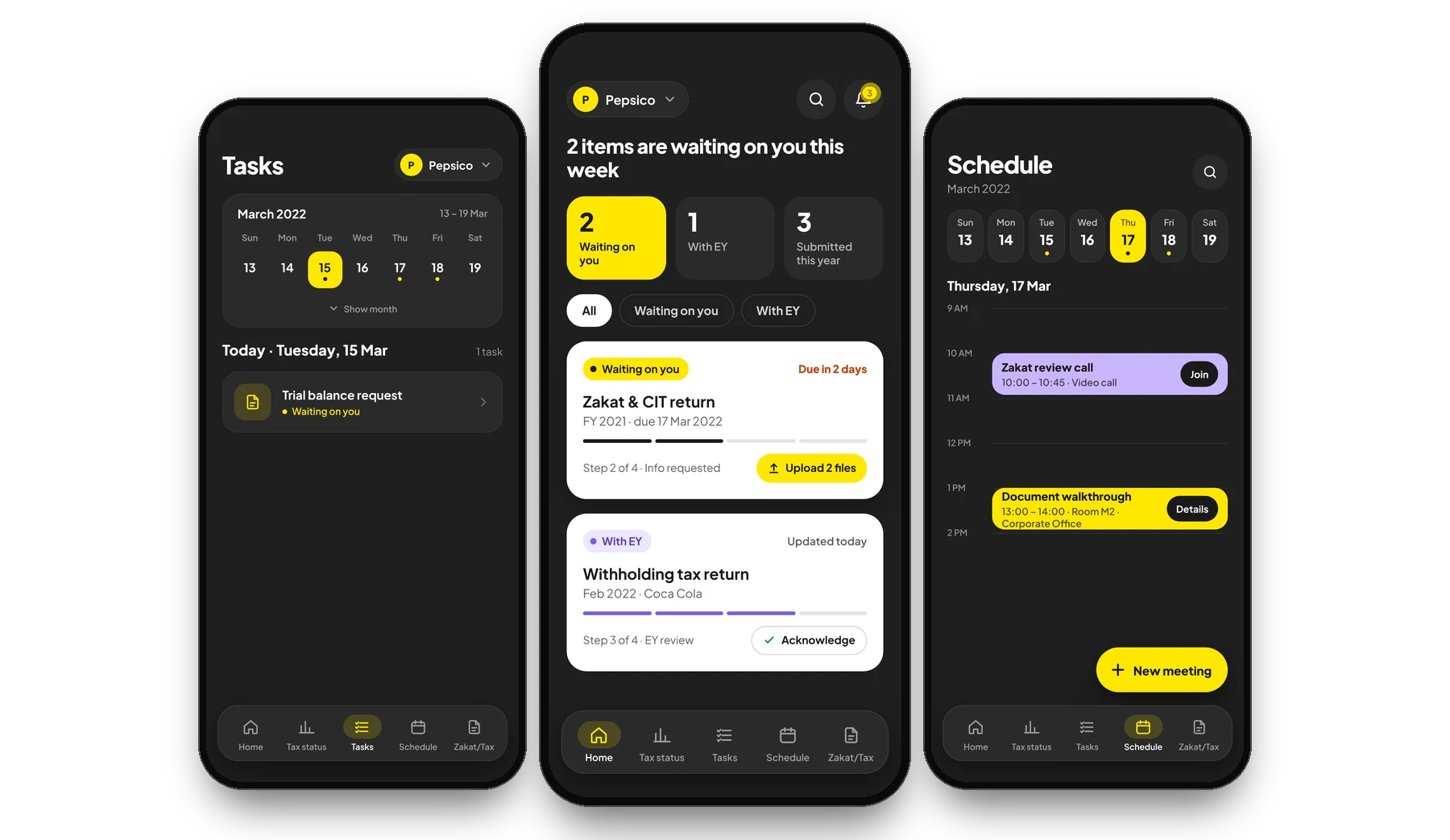
Client meeting scheduling for a professional services firm
A scheduling solution that removes manual coordination, streamlines communication and gives real-time visibility, so client meetings stay aligned, efficient and easy to manage.
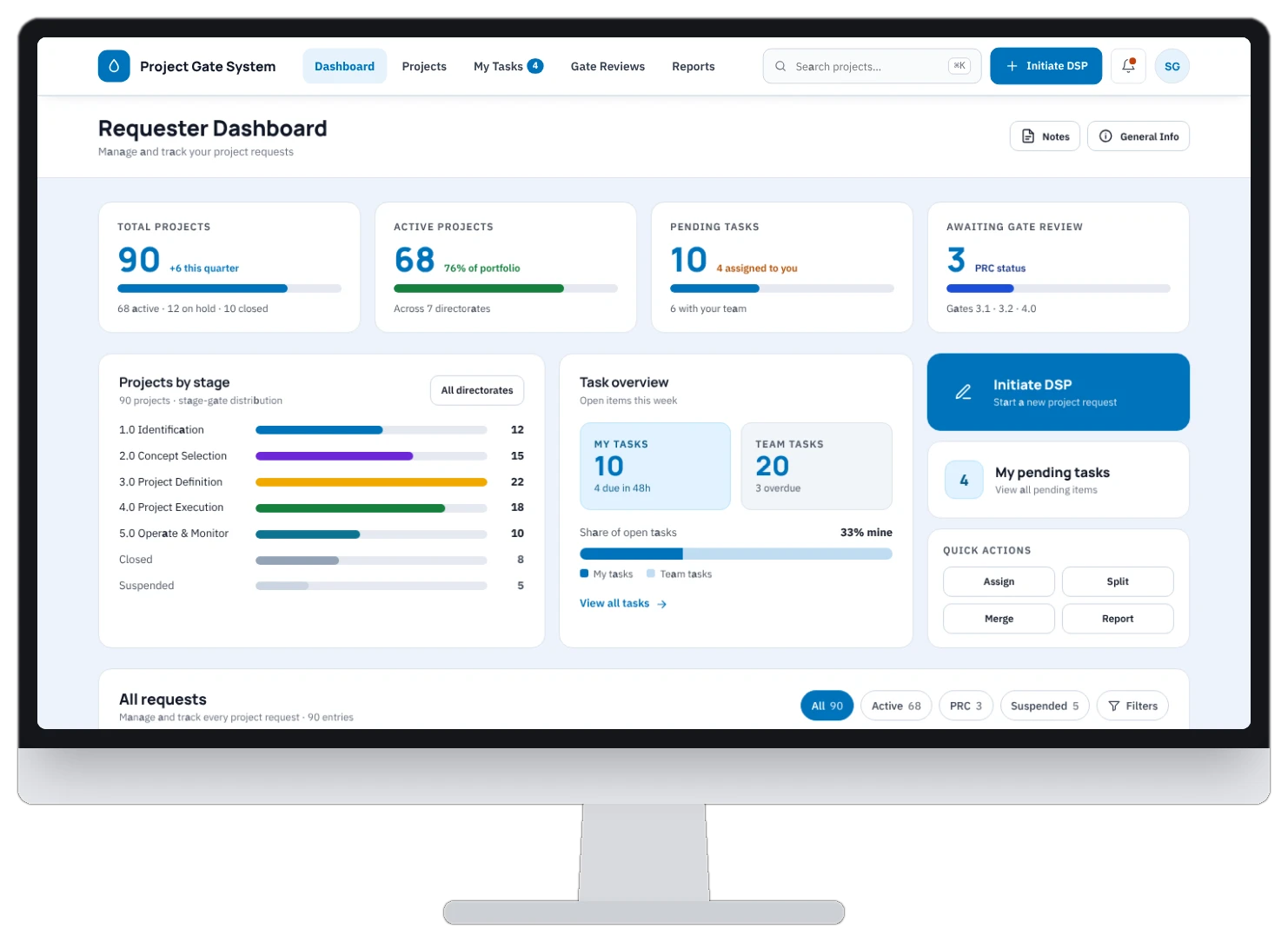
Stage-gate platform for capital projects
A structured framework for planning, developing and executing surface facilities capital projects. It integrates financial, operational and risk considerations to support clear, consistent decisions.
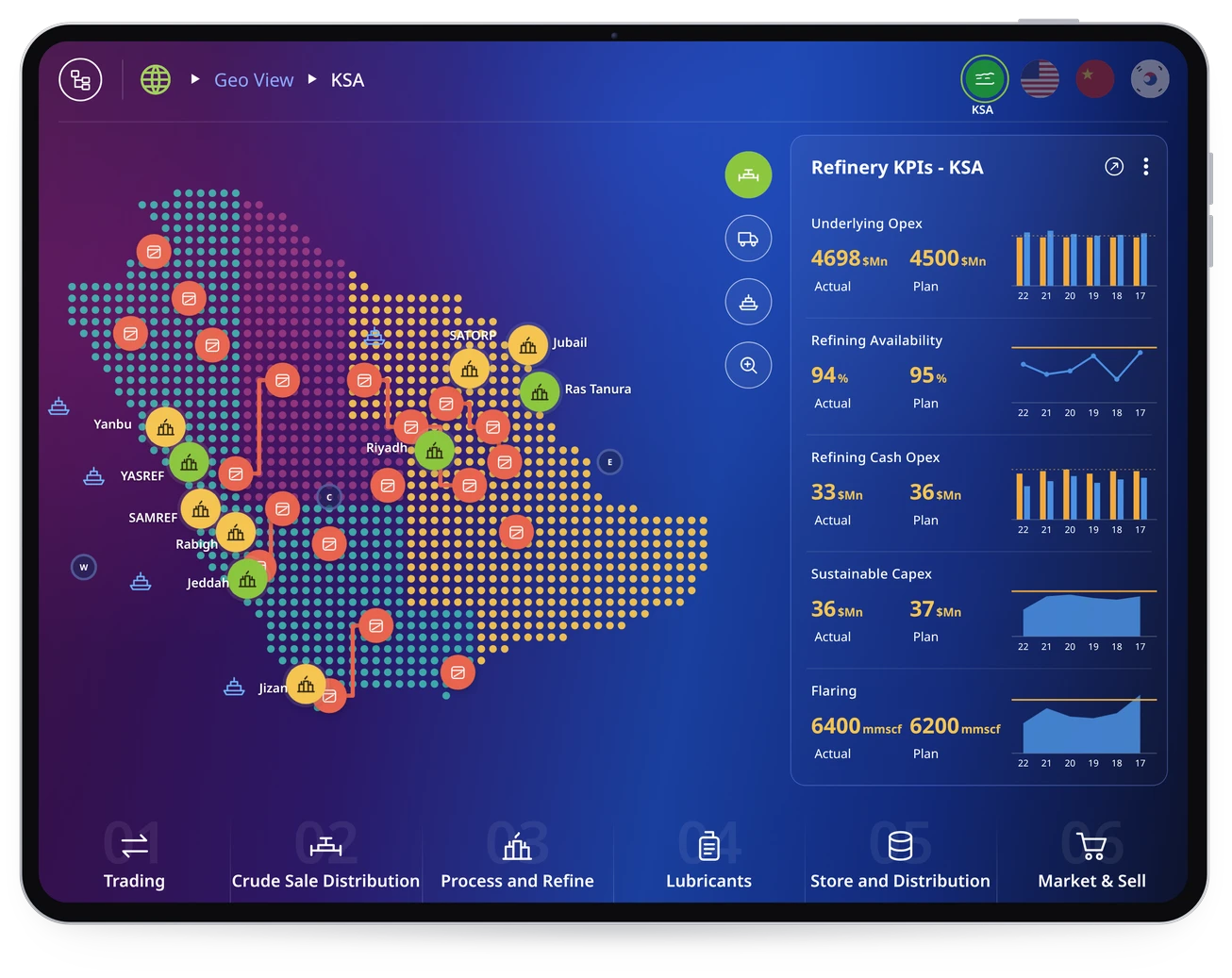
Strategic visualisation for a global oil & gas company
A visualisation of a global energy company's operations, from exploration to market delivery, showing how layered processes and strategic assets create long-term value.
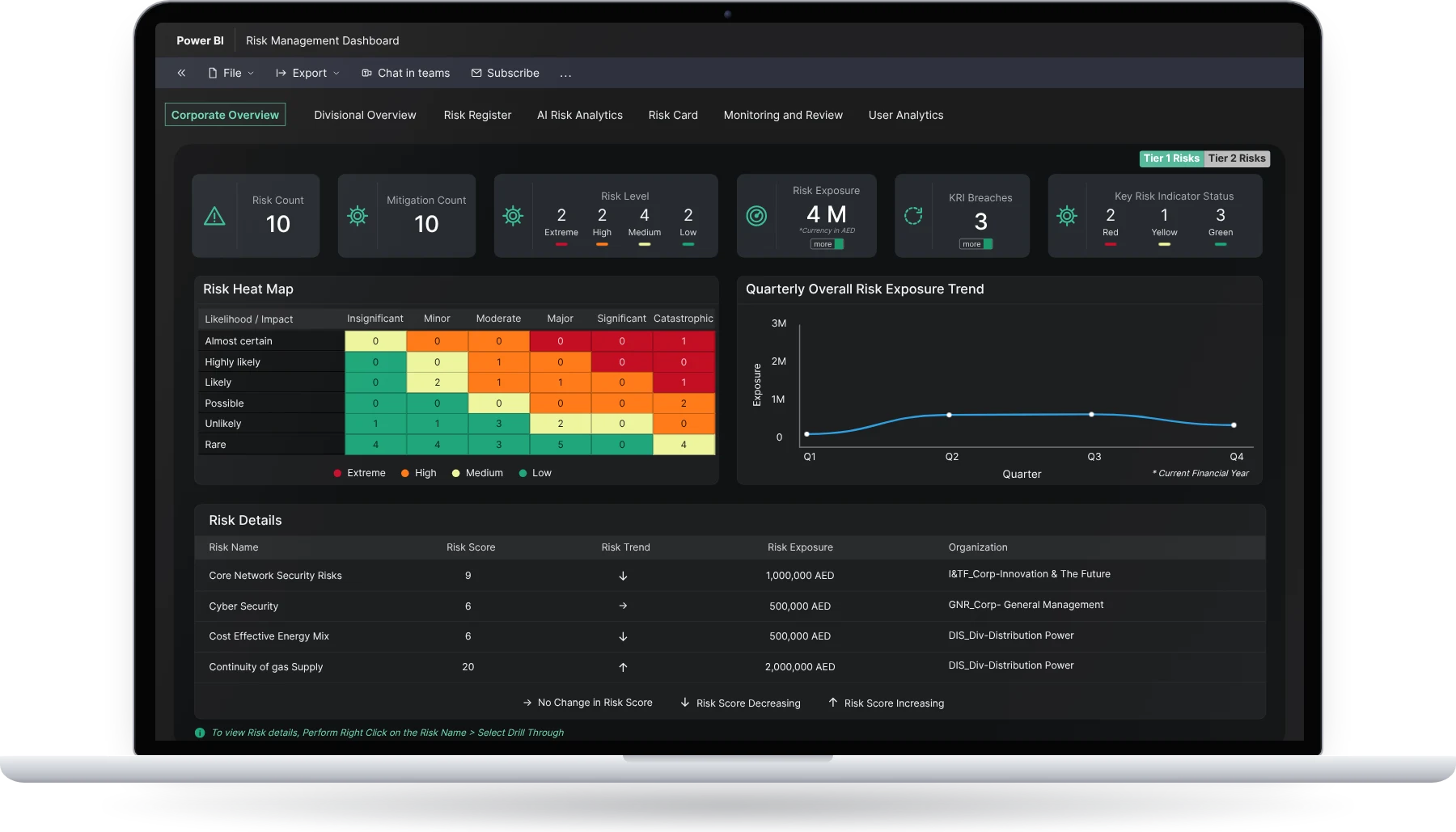
Enterprise risk monitoring for a utilities provider
A tool that monitors enterprise-wide risk across digital, operational and physical domains in one unified view, enabling faster response and stronger compliance.
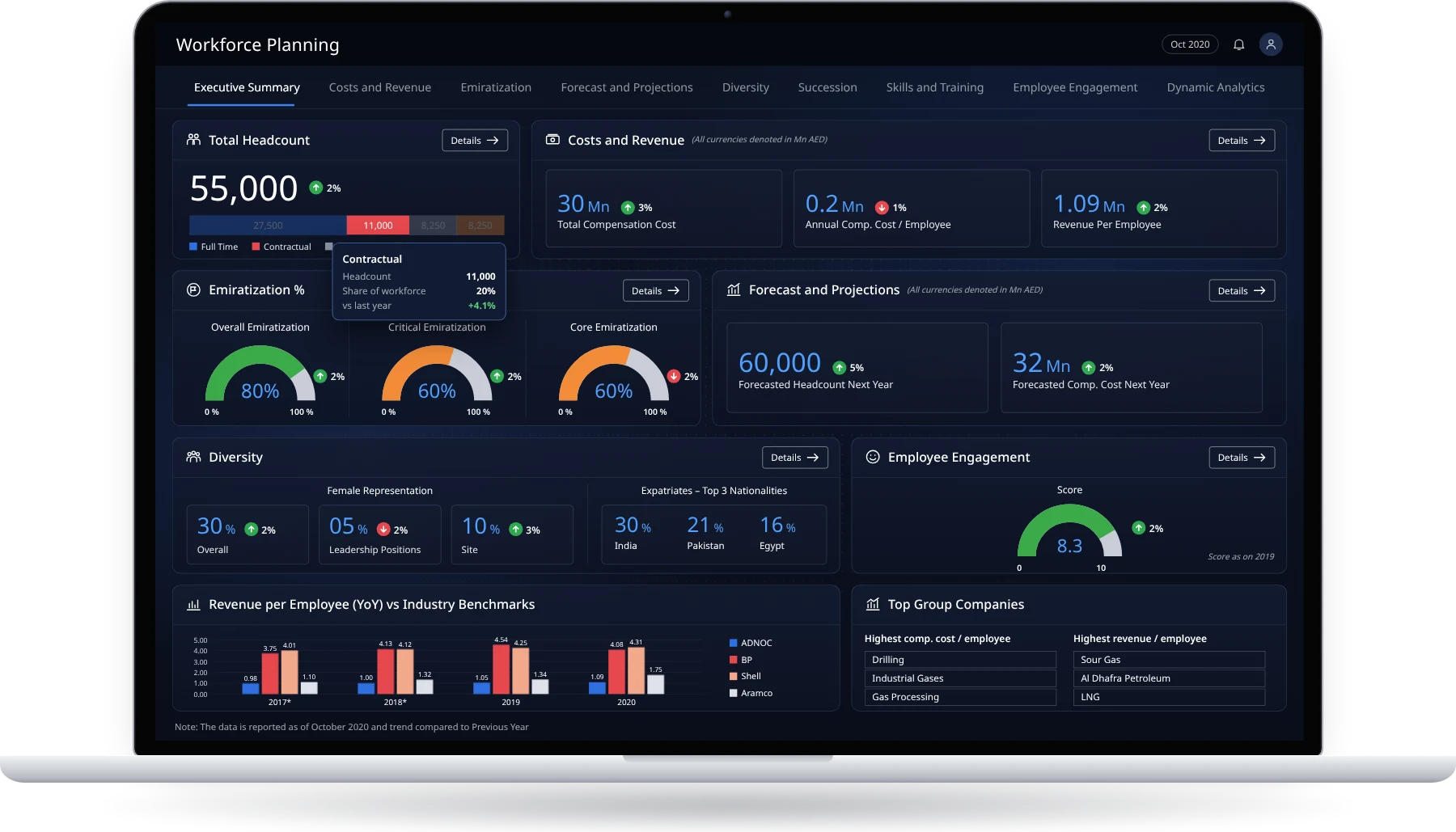
Talent management for the energy and industrial sector
A visualisation of an organisation's human capital, from recruitment to retention and succession, highlighting workforce trends, skills alignment and talent mobility.
Understand the work before designing the screen
Every project begins with the people who will use the product. I observe how the work is done today and where it slows or fails, and I translate that into a problem statement the whole team agrees on, together with a way to verify the outcome after release.
Stakeholder & user interviews
Structured conversations with the people who do the work and the people accountable for the outcome, so goals, constraints and organisational dynamics are clear from the start.
Shadowing on the job
Observing a buyer, an engineer or a department head using the current system, including spreadsheets and email trails, to identify the workarounds a new tool must replace.
Audit of the existing tool
A review of every screen, approval chain and report in the legacy system, recording where time is lost and errors occur, ranked by business cost.
Personas & journey maps
Role-based personas and end-to-end journeys that anchor later design decisions in real tasks rather than hypothetical users.
Structure first, then pixels
In enterprise design, most of the important decisions concern structure rather than styling. I define the information architecture, workflow and business rules first, so the difficult thinking is complete before screen design begins. The interface then turns a long, complex process into a small number of clear steps that people can follow without training.
Information architecture & flows
Navigation, hierarchy and step-by-step flows mapped to how the organisation is governed, so requesters, approvers and reviewers each reach the work that matters to them.
Interface & interaction design
Screens from wireframe to high fidelity, with states, validation and feedback designed so that forms, gates and reviews can be completed accurately and with confidence.
Dashboards & data views
Determining which measures matter to which role, then giving them a clear hierarchy, consistent charts and filters so managers can act on the data directly.
Design systems for platforms
Shared components, tokens and patterns documented for engineering, so a suite of internal tools behaves as one product and later modules ship faster.